
April was another busy month with both human and canine visitors, loads of new foraging opportunities and more destruction nasty surprises progress with the house projects. All around us there was new growth, new lambs every day and new birds returning from a winter somewhere warmer.
The spring sunshine and showers means everything is growing fast – including the grass and weeds. We are trying to embrace a mainly wild garden, mostly for the wildlife, but also to reduce maintenance. If we tried to keep 2 acres of manicured gardens, we would never do anything else for 6 months of the year.
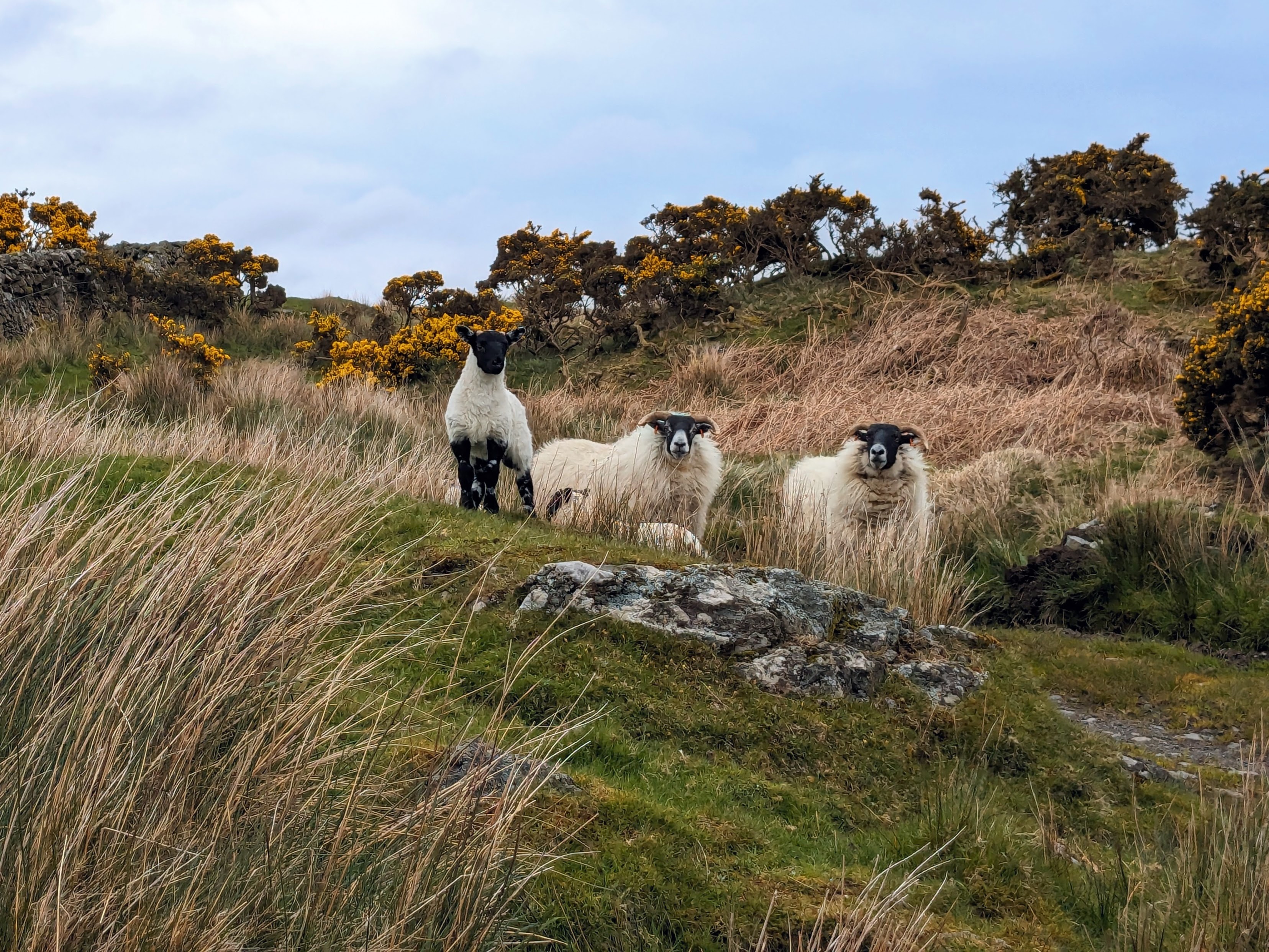
It has been a volatile few weeks weather-wise, which has been a headache for our farmer neighbour, who’s Scottish Blackface sheep all lamb outside. When the sun has shone, the birdsong has been incredible. One guest, from the massive conurbation that is the central south coast of England, was sure there were birds inside the house, as they just weren’t used to the volume (and close proximity) of so many different species.
We are aware of 2 wren’s nests, a pied wagtail nest and a song thrush nest, but I am sure there are plenty more hidden away around the place judging by all the busy looking birds that have suddenly appeared out of every window. One of the old shoe nest boxes put up last month, now contains one of the wren’s nests. They moved in about a week after it went up!
We have heard a cuckoo every day since 23rd April (one morning in the dark at 5.30am!) and the first swallows arrived a couple of days later. If you are into flora and fauna, there aren’t many better places to be. We are loving living here 🙂
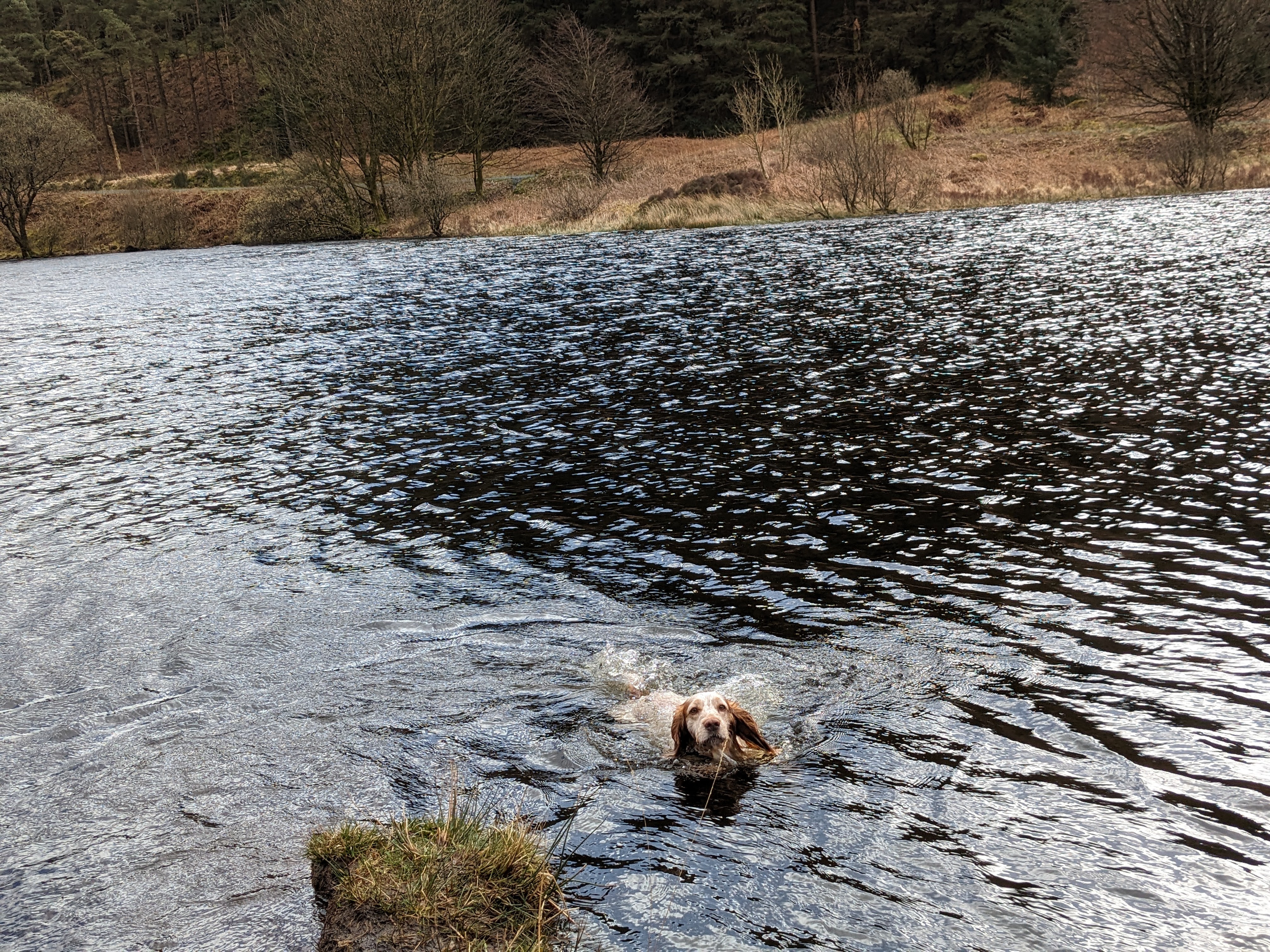
At the start of the month we had a lovely time catching up with some friends, who hadn’t had a holiday in a long time, and we were pleased to be able to offer them a relaxing escape. They brought their 3 dogs with them, including one Irish Wolfhound x Newfoundland, who is essentially a small hairy horse, but very cuddly (he’s my favourite, but don’t tell the other 2 🤫). We enjoyed checking out lots of dog friendly spots, and walks on the beach and in the hills. I was even joined on a loch swim by one human and a rather excited spaniel.
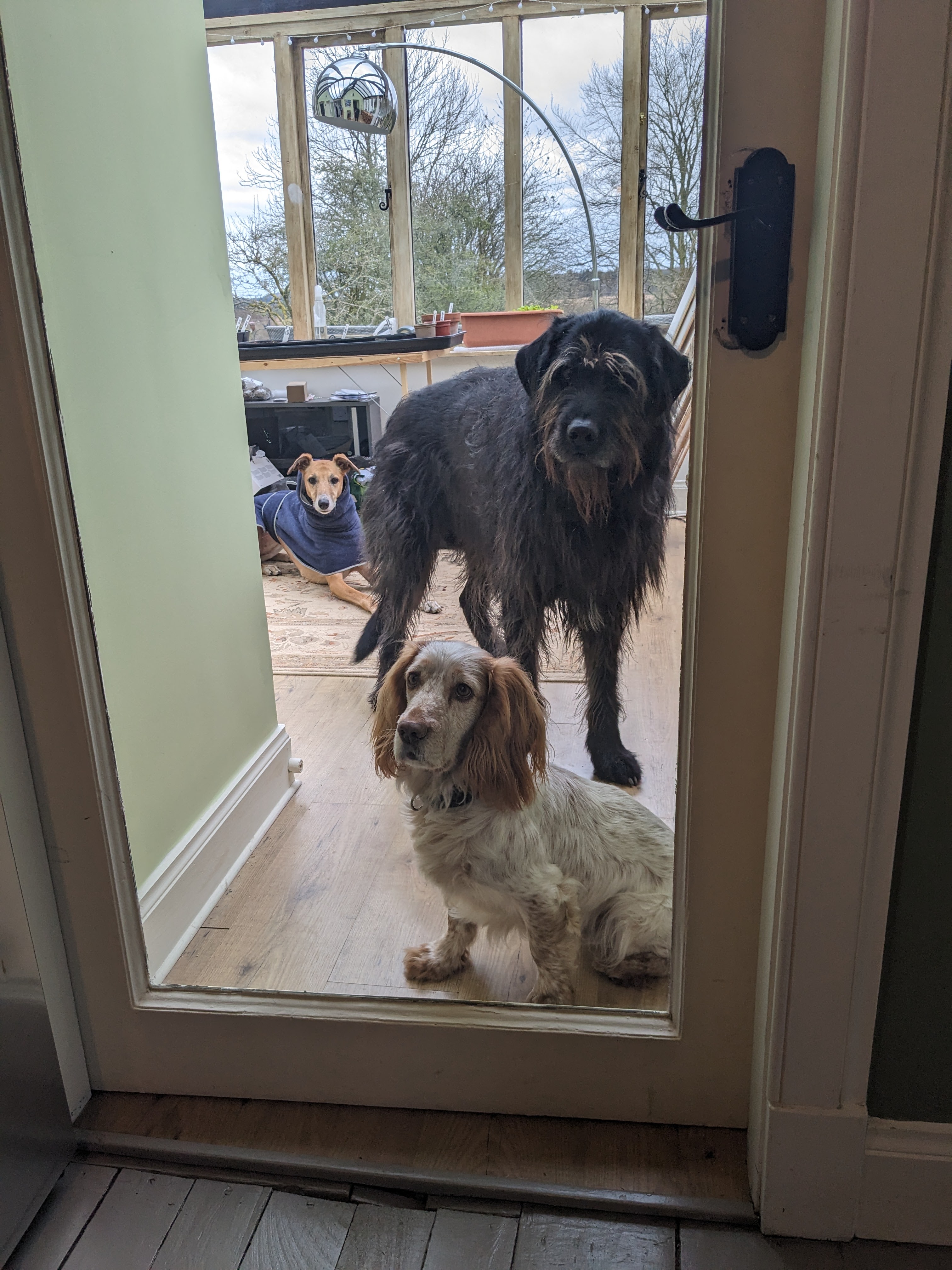

Storm Kathleen made one beach walk particularly memorable, being as it was so windy it was difficult to stay on our feet. On the whole I think it is safe to say that dogs and humans alike had a lovely time.
Once they headed home, we had a couple of days before the lime course we were booked on in Cumbria. We decided to make a bit more progress with removing the plasterboard in the downstairs bedroom we started on in March. Unfortunately, when assessing the best way to start on the next wall, we realised that the main beam holding up the floor above was not actually tied into the external wall. Essentially, all that was holding the upstairs floor up in that corner was the plasterboard framing we had just removed 😱
After hastily checking out all the local builders merchants, we discovered you can not actually buy Acrow props (I always thought they were spelled Acro, but apparently not) anywhere in the county. Hiring them for a week costs the same as buying them, so a Scaffolding Direct special delivery it was.
With our bedroom floor temporarily supported, we could head off for our course, safe in the knowledge that the house wouldn’t fall down while we were away (probably).
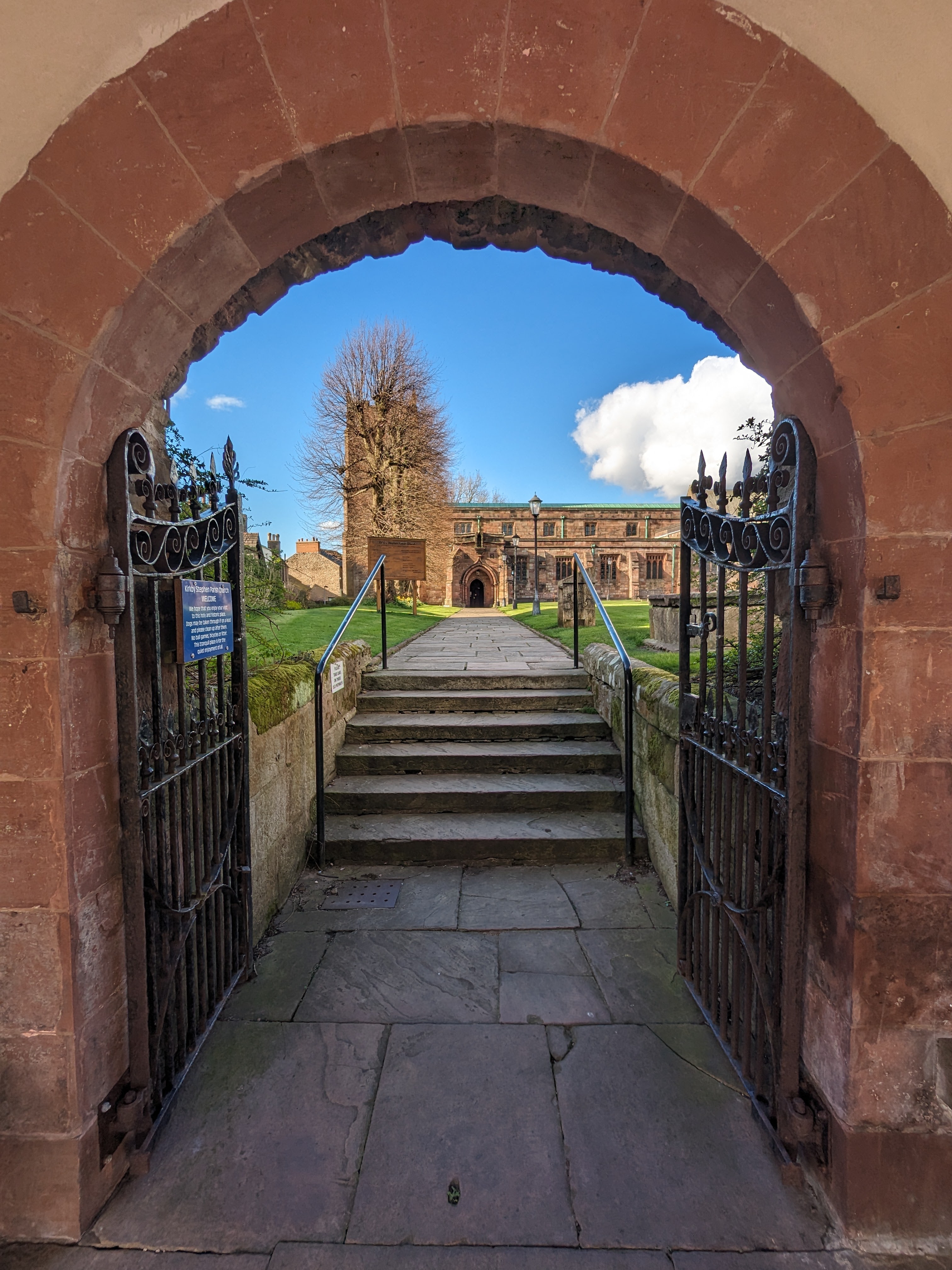
The course was about 2.5 hrs drive away, so we decided to take the van and camp overnight the night before near Kirkby Stephen. We arrived in time for a nice walk along the river Eden (the second, wider river in the photos at the end of the post) and fish and chips in the town. Despite the freezing cold morning in an unheated barn, the course was excellent, and led by a very knowledgeable ex-farmer who didn’t mice his words. He inherited a very damp stone farmhouse and embarked on a journey to resolve it. Over the years this crusade turned into a supply and contracting business that I suspect is now far more lucrative than the farm itself.
The training was for a small group of 6 of us, all facing similar challenges, so it was a fun and collaborative day. As I expected, I was the only female, but I am well used to that by now. We tried our hand at hot mixing lime mortar, plaster and insulating plaster and quicklime wash. They had practice walls to have a go at pointing stone and plastering, and I am pleased to say that lime is much easier to work with than cement/gypsum – especially the insulating plaster that is really light, owing to the inclusion of perlite and hemp.
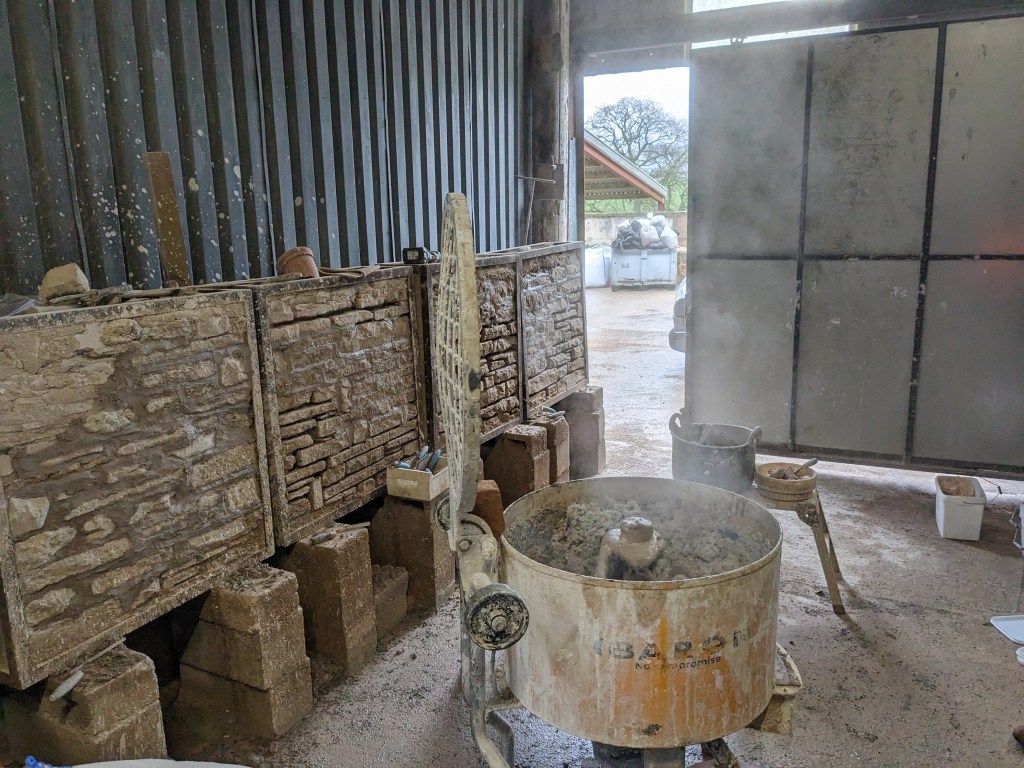
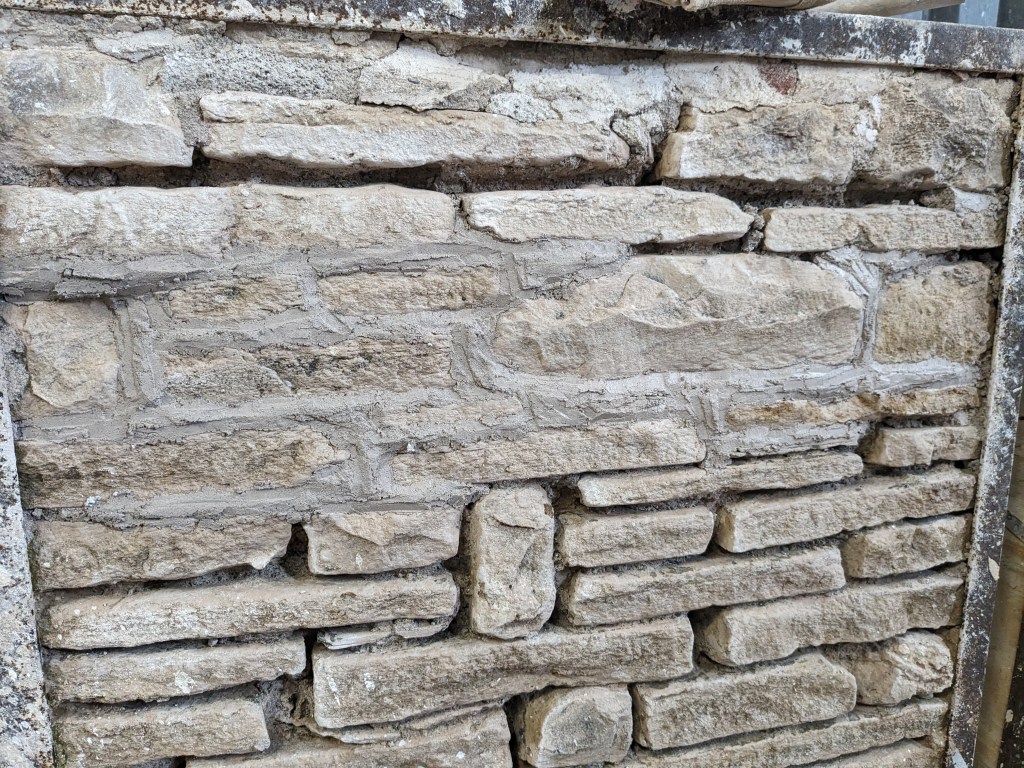
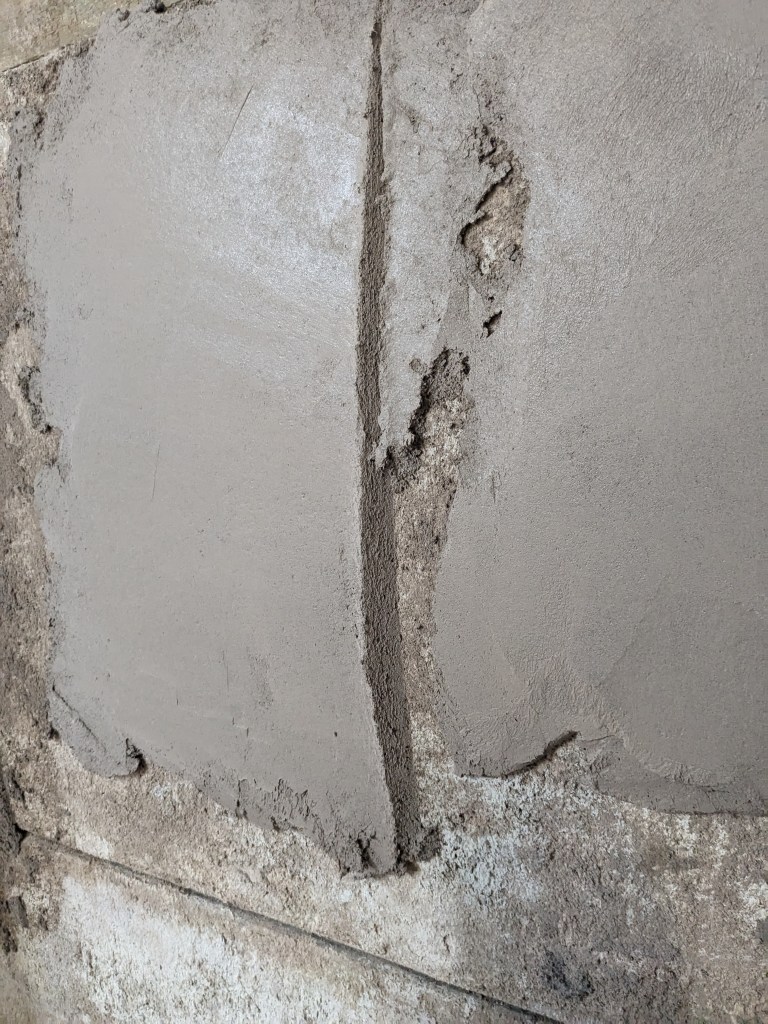
We now know what tools we need, and indeed have already found a beautifully balanced old plasterers trowel on a vintage tool stall. It has a very comfortable wooden handle, and it’s much nicer to hold than a modern one – and cheaper!
Whilst we were away, we started to formulate a plan to move forwards with our project. We decided to open up the gable end wall of the second downstairs bedroom earlier than originally planned. This is the room next door to the one we started with (where the ceiling is currently held up by props). We also cut a couple of holes in the ceiling to better understand how the floor of the main bedroom above was actually supported. By understanding the complete picture, and making things visible it will be easier to get advice. It also means all the walls exposed can start to dry out.

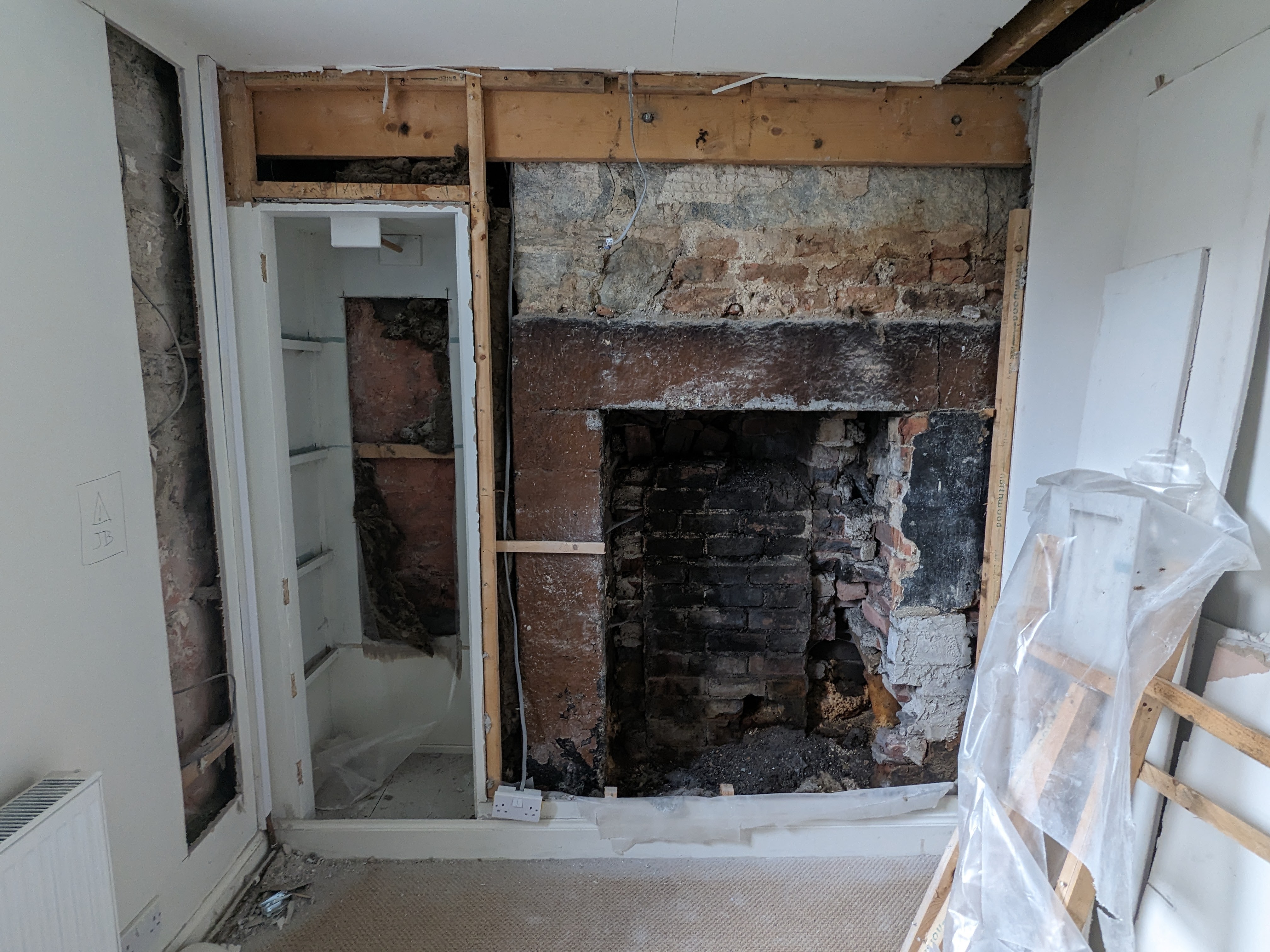
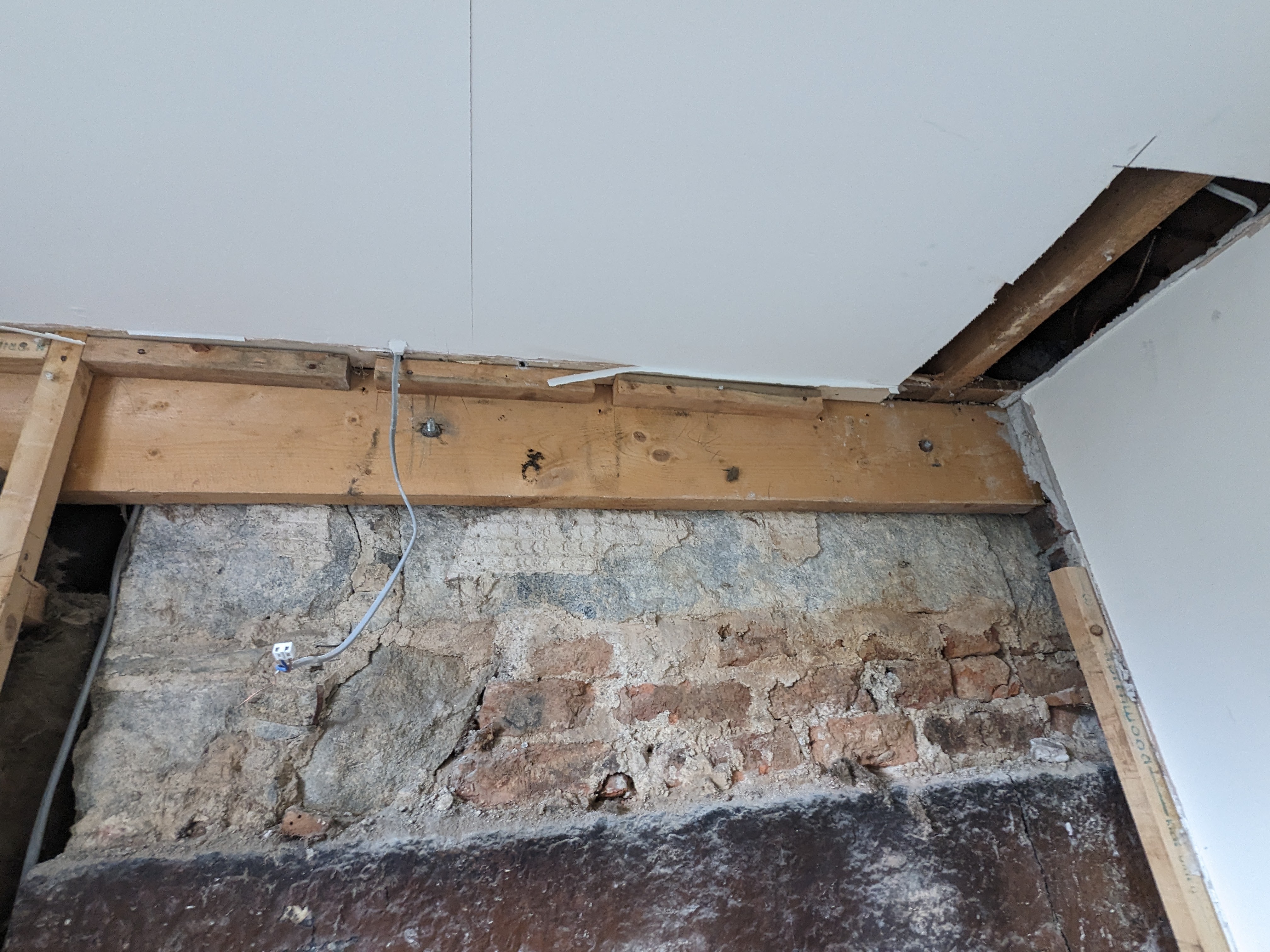
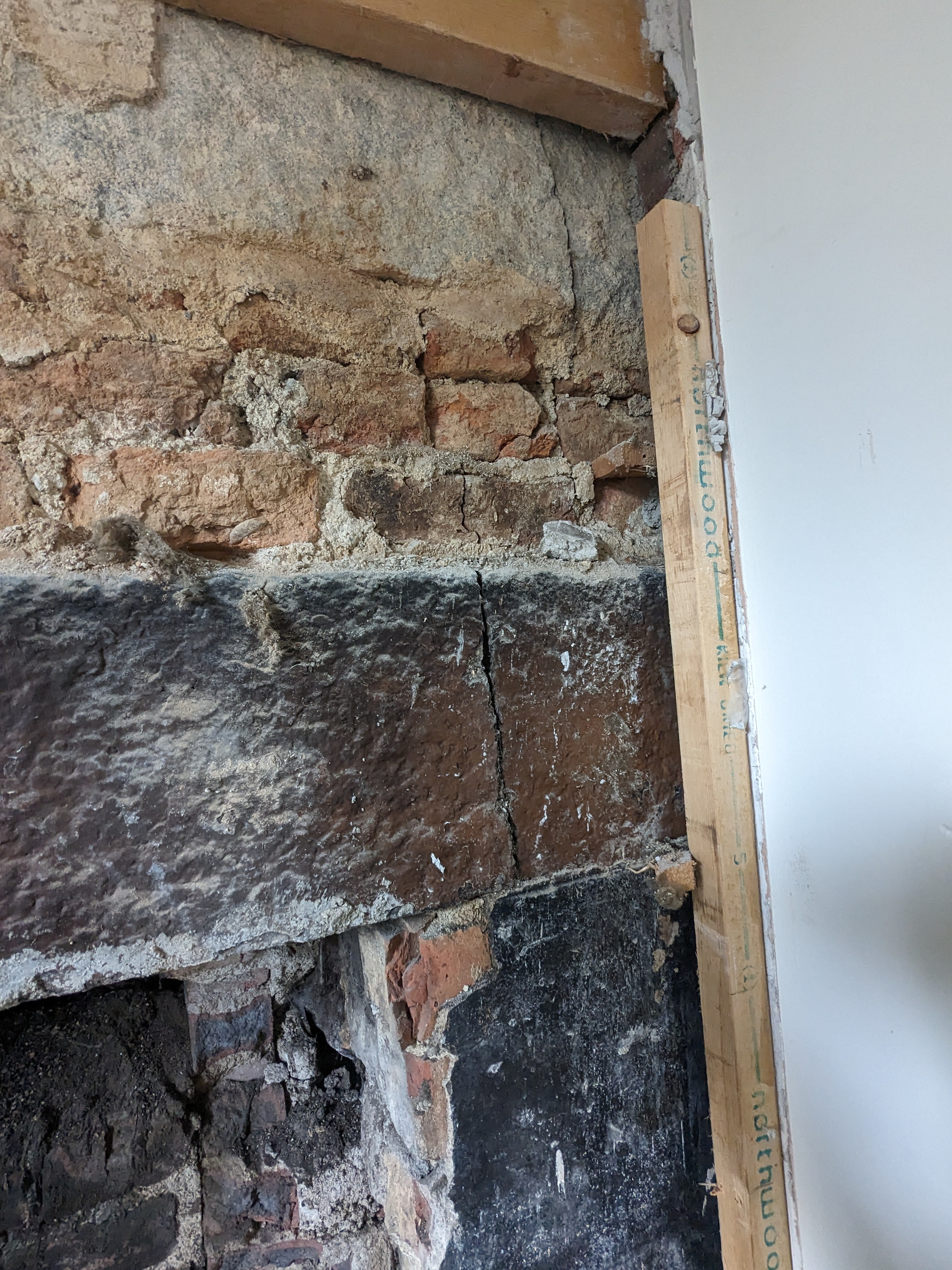

We discovered another, much larger fireplace. This extends beyond the dividing wall to the room next door (the areas with brown paint). It seems the beam for the floor above is bolted into the chimney breast above the fireplace in 2 places. The right hand bolt appears to be the origin of a large crack which propagates downwards and right through the solid granite fireplace lintel :-(. We suspect the crack has been there a long time, as someone has tried to support the lintel under the crack with a very poorly constructed pile of bricks and cement (not sure I can really call it a wall). This ‘support’ is in line with the dividing wall. The vent in the chimney that is visible outside has been bricked over in the back of the fire opening – we think there was probably some kind of range in the space in the past. This all explains why the damp was most visible where this internal dividing wall meets the external wall.
At least it seems that the dividing wall is not providing any structural support to the floor above, so we have the option of removing it completely and creating one large room with a whole fireplace. We have contacted the Society for the Protection of Ancient Buildings (SPAB) through their free technical helpline, for help finding suitable Structural Engineers and contractors familiar with old buildings, to get some advice. They are not the fastest to respond, but were very helpful on the phone. Hopefully their email will arrive soon…..
As well as taking down plasterboard internally, we need to remove the plastic modern masonry paint on the outside. I made a start on this at the end of the month, but it is going to be a slow process. The plastic top layer comes off relatively easily with a heat gun and scraper, but it appears there is a thick layer of some other creamy paint underneath that, which is itself on top of a thin, but very hard, dark layer, which I believe is some kind of cement slurry. The lime pointing underneath all of this appears to be wet, but generally in good order. It is most urgent to get the bottom meter or so off, so I will prioritise this and think about scaffolding later. It’s going to be a case of little and often when the weather is accommodating.
Our version of retirement might seem like a lot of work to some, but we are embracing the freedom to do what interests us. We find the hands-on nature of practical projects very rewarding and would not choose to do anything differently even if we had £100 million in the bank. I saw a couple of versions of the below image in a couple of places last month and they really resonated. Although sleeping during the day is not something that does it for me, for the most part, this encapsulates the luxury that FIRE has allowed us. This is what luxury is to us. I wouldn’t say no if someone wanted to pay for me to go on a 5* holiday somewhere, but below are the luxuries we prioritise.

So, while we’ve been busy enjoying the freedom our (hard earned) financial cushion gives us, how have our funds been doing in April?
Financial Update:
- Freedom fund value – £1,247,061 (down £6K on last month)
- Expenditure – £2,633 (or a 2.5% withdrawal rate)
- Earned income – £50
At the end of April, the freedom fund was down slightly from it’s new all-time high in March, but there was no significant change. I finally got round to updating the freedom fund tracker page for the first time in a few months, and was pleasantly surprised by the step up in net worth value. Not that it really means anything in reality.
Overall, I think our expenses this month were pretty average. The biggest cost was the oil delivery from March, which was only paid for on account in April (£582). We spent £95 including delivery for those 2 Acrow props, £78 to renew the van breakdown cover and £85 for a bulk order of bird food that will last for months.
May will be an expensive vehicle month with servicing for the van and tax and MOT for the sports car, which is still in storage in a barn. We have agreed to a quote with a local company to build a timber frame garage and workshop building to house it, but so far there is no sign of work starting. Things definitely move slower up here, and most businesses are multitasking. The guy who will operate the digger for the groundworks is also the stockman for the local estate, so he has been busy with lambing.
We generated a small amount of income this month, selling a spare bed. It was useful for visitors in the rental house, but we have inherited a ziplink bed at the new house (two singles or one superking), so haven’t used it. We have been moving it out of the way from one room to another, so decided there was no point in keeping it.
Non-Financial Goals:
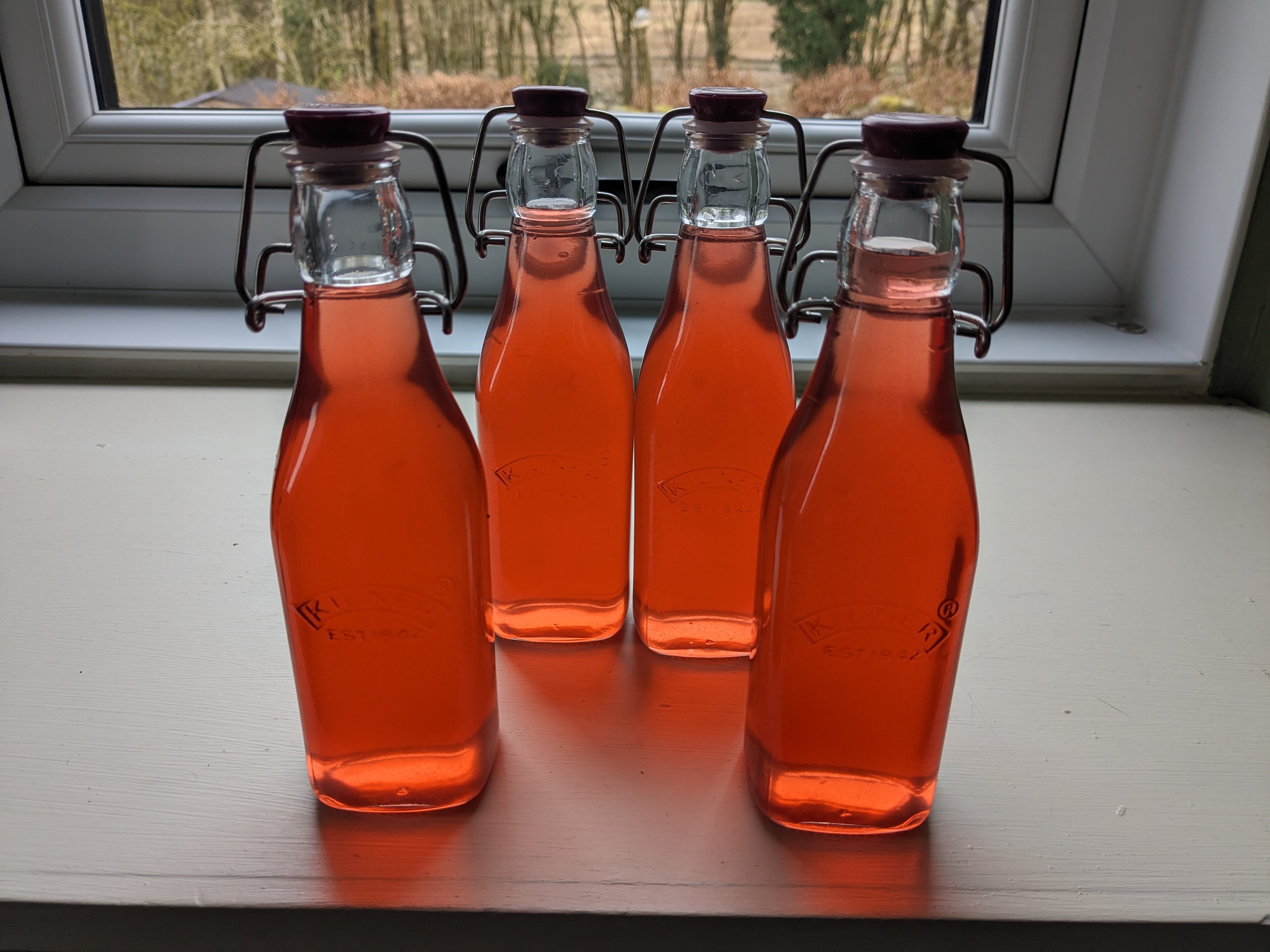
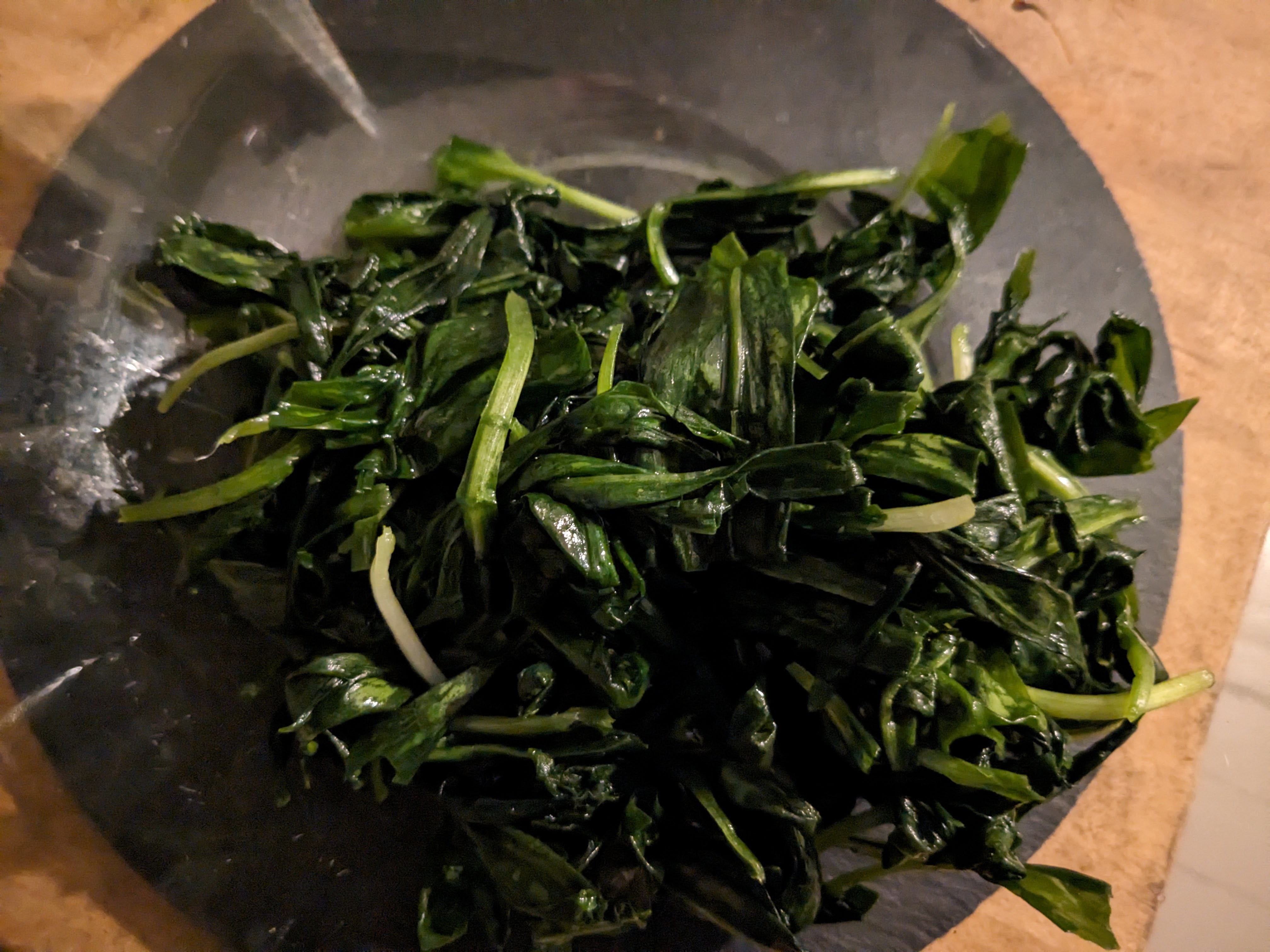
Forage something every month – there were a lot of opportunities this month. As well as introducing our guests to the joys of weed salad, I opted to try out rose bay willow herb shoots, nettle cordial and fermented wild garlic this month. The less said about the willow herb shoots the better really. They looked pretty, but had quite a bitter aftertaste. I fried them in a little butter, some recommend adding them to a stir fry, but I don’t think I’ll bother again.
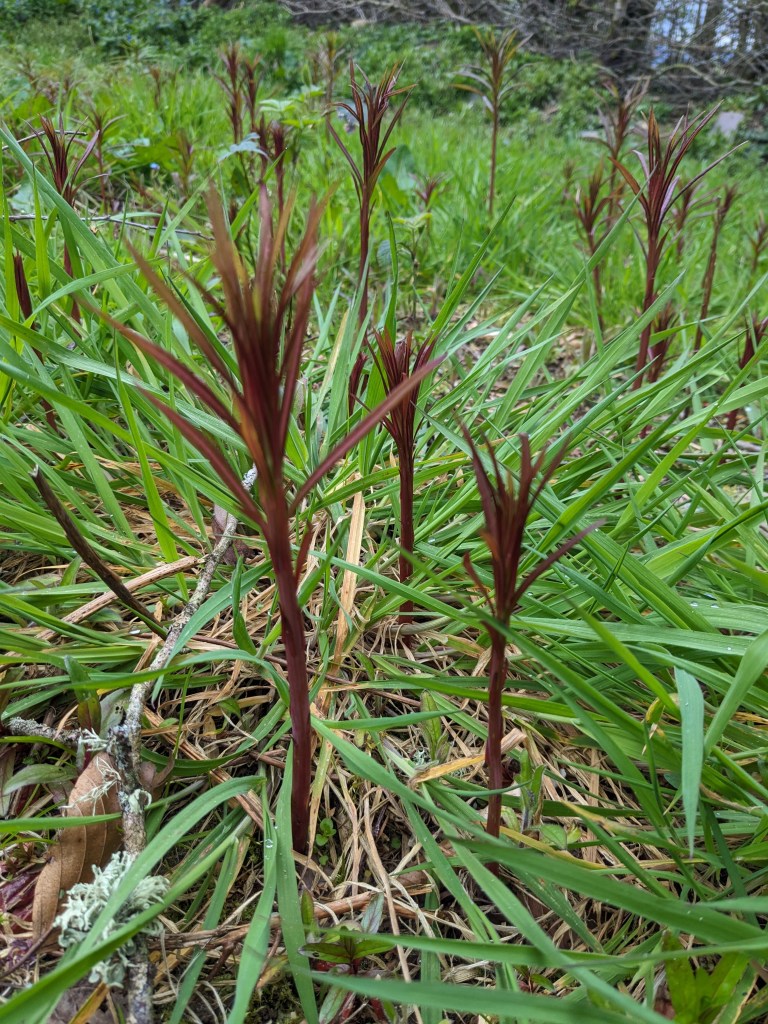
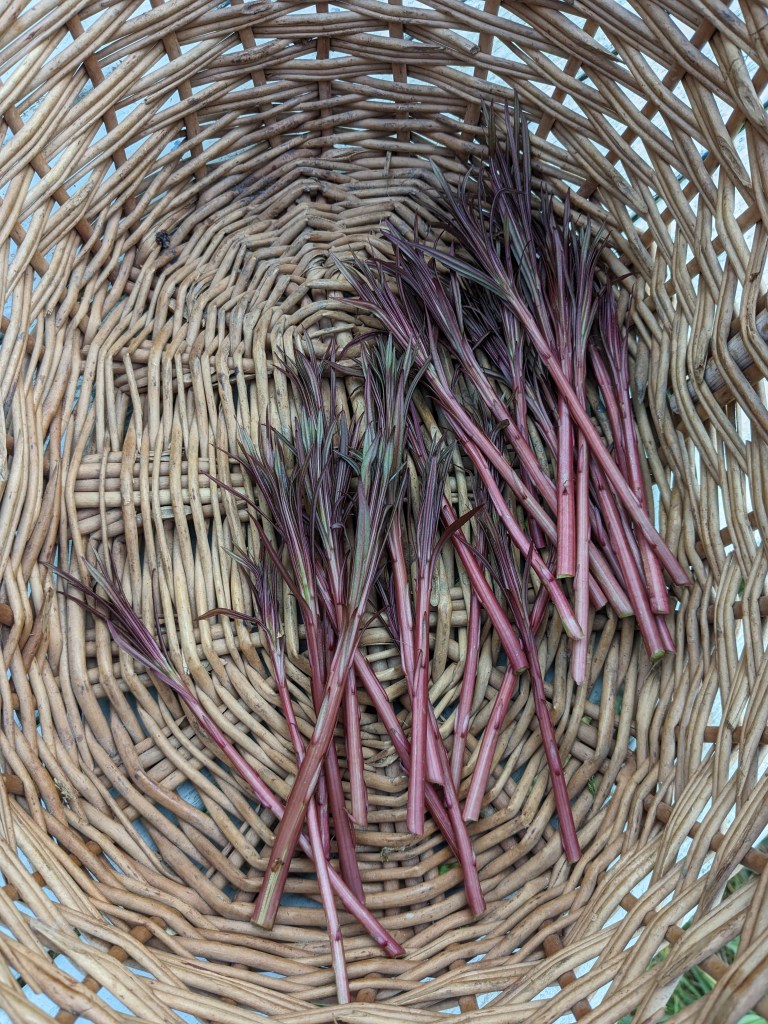
The nettle cordial was very simple of make and turned out very tasty, and a pretty colour to boot. It is hard to describe the flavour, there is perhaps something of the elderflower in there, or maybe rhubarb. One of our friends just said it “tastes of hedgerows”, but he drank quite a lot of it, so I think it was complementary.
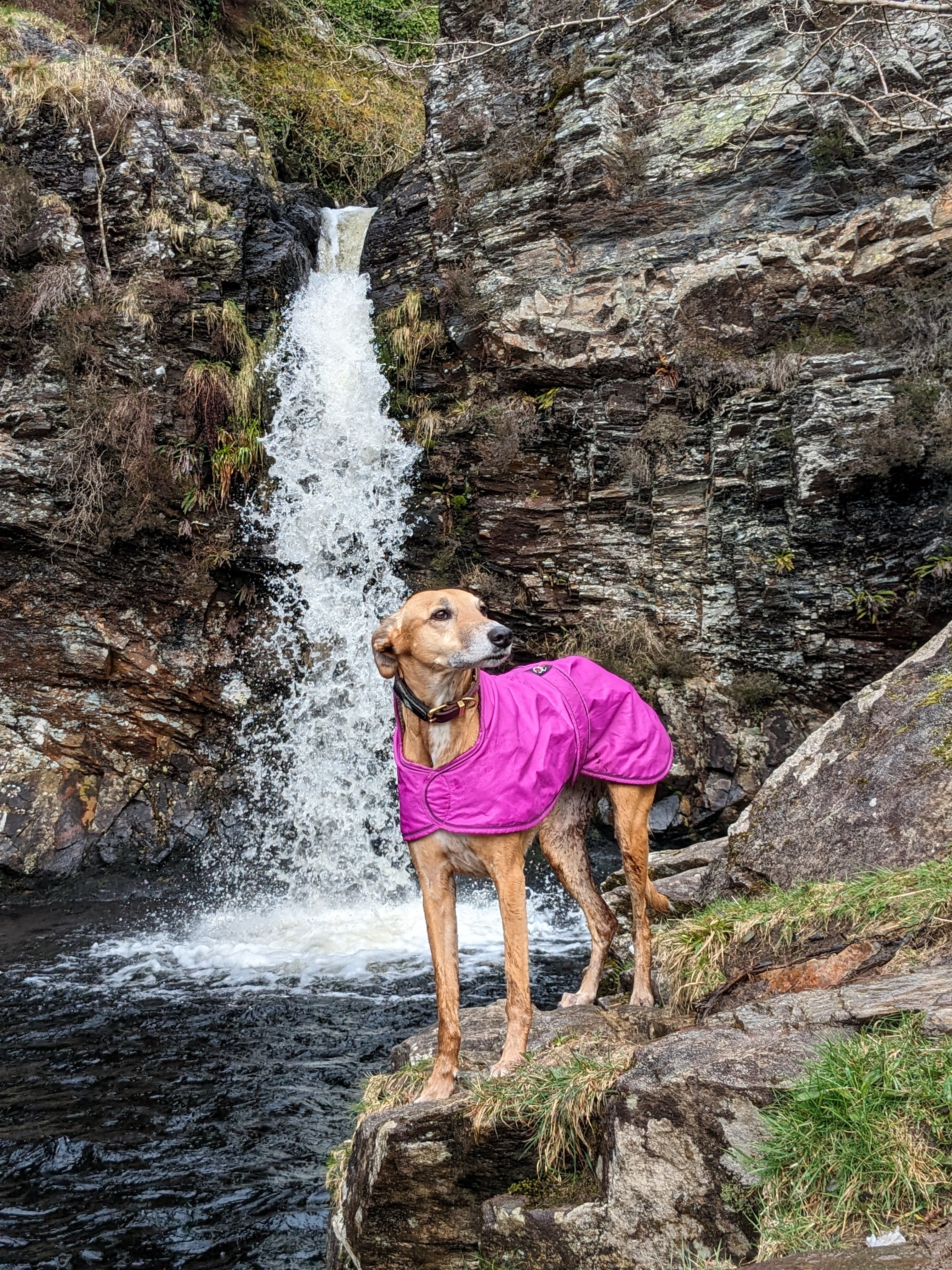
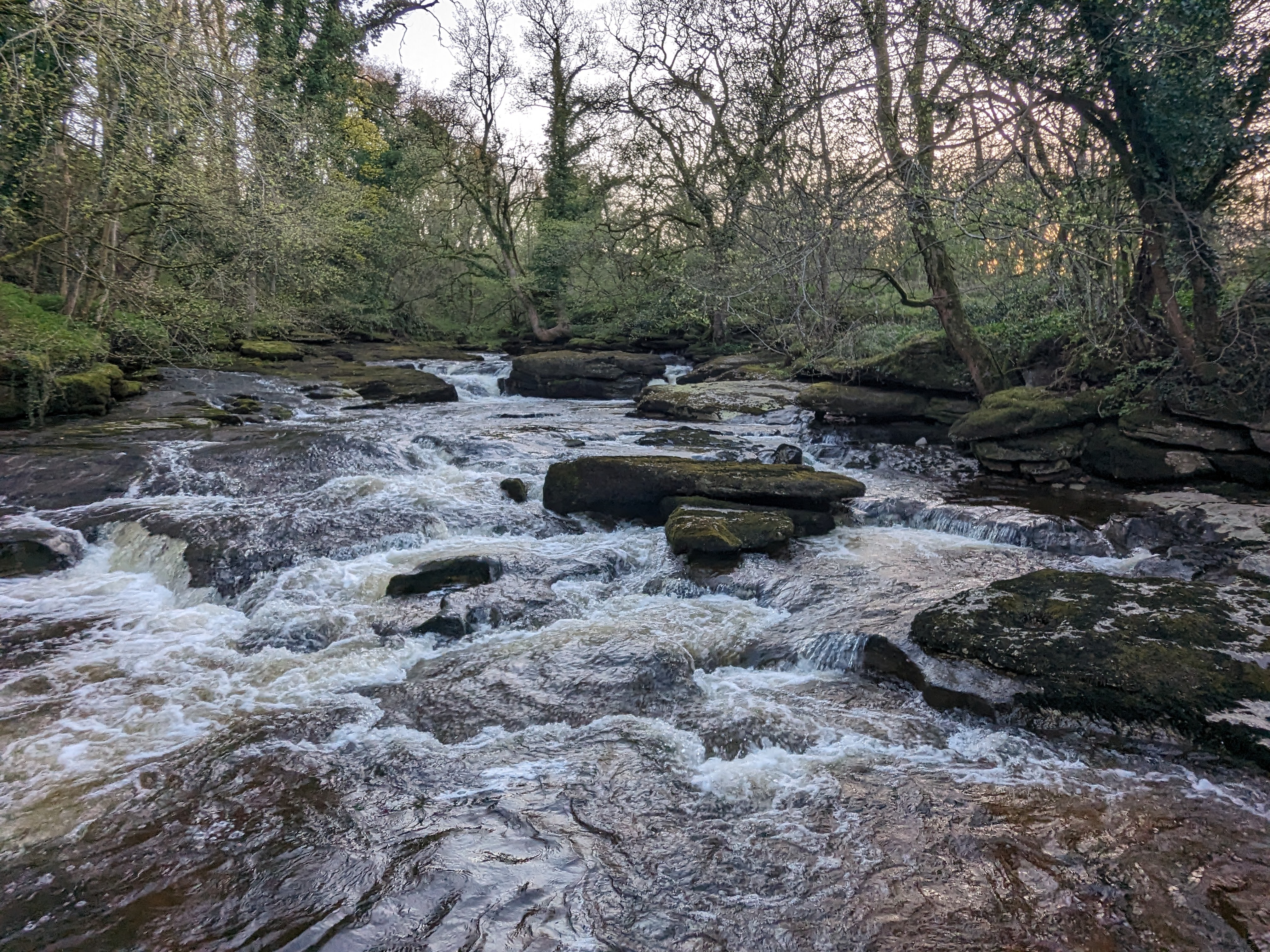
I have always loved wild garlic and have used it fresh many times in the past, so this year I wanted to try something a bit more adventurous. I haven’t yet found any in walking distance of the house, so while I wait for my newly planted bulbs to establish in our woodland, I had to head a bit further afield. I thought that an RSPB woodland with waterfalls which we had been meaning to visit for a while, might be a good bet, and I was right. Most of it was on a pretty steep bank, so I only collected half a carrier bag full. The waterfall photo at the end of the post was taken here.
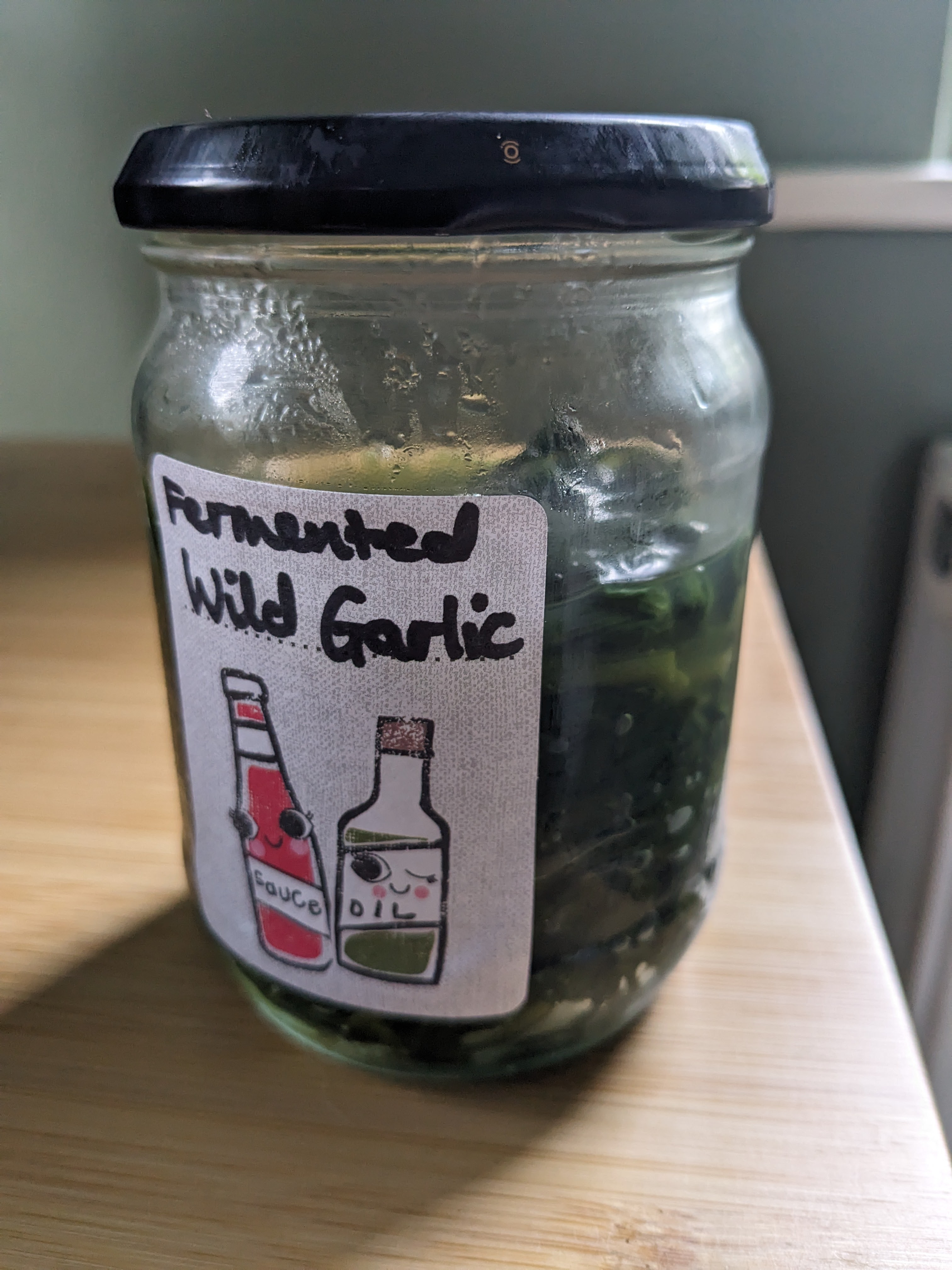
I tried out lacto-fermentation for the first time, as recommended by the leader of the foraging day we did last September. It is a very simple process, using 4-6% salt and the resultant fermented wild garlic should keep for over a year. I haven’t used any yet.
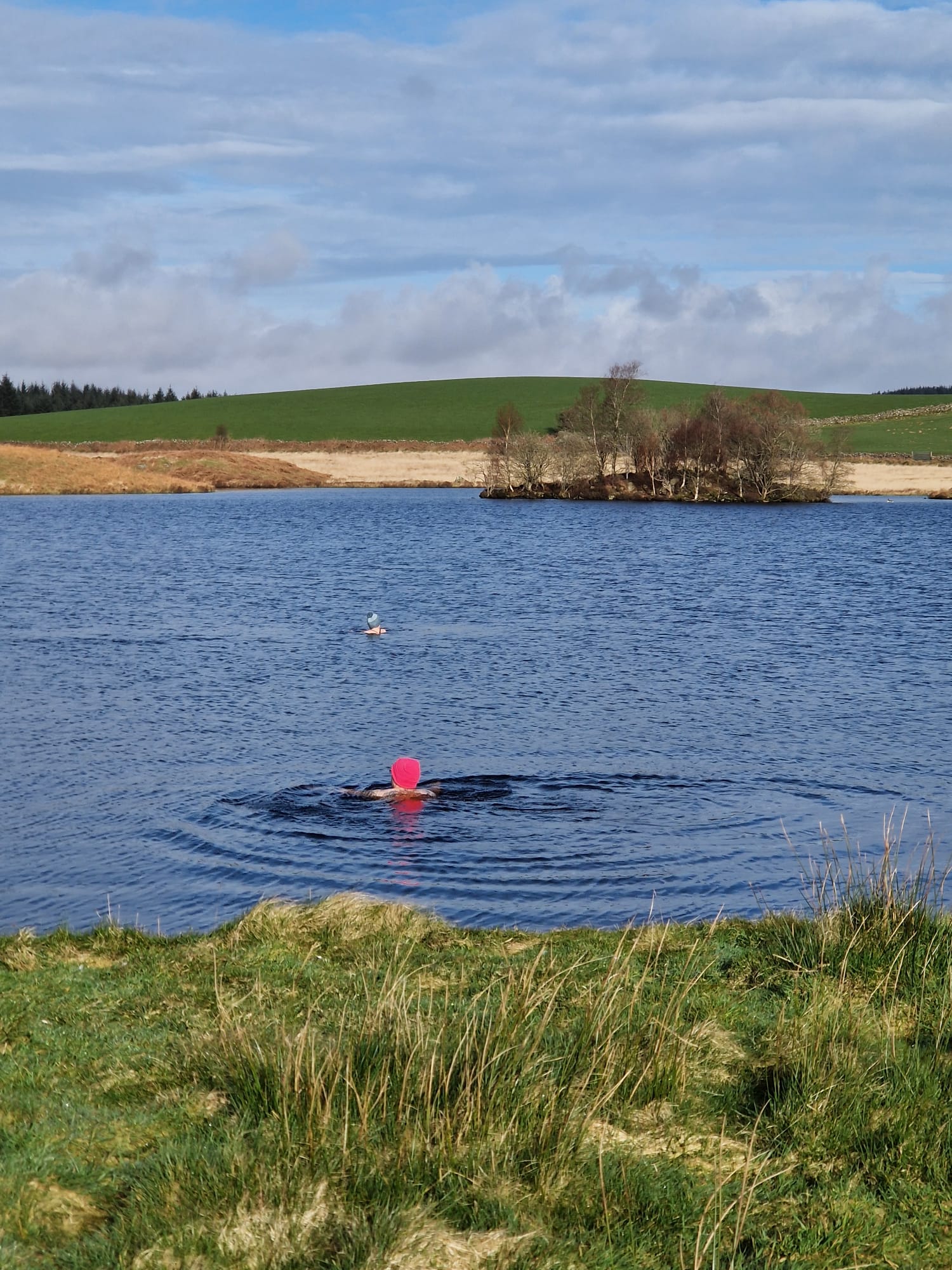
Wild swim at least once a month in as many different places as possible – 3 swims this month, all at the local loch. The first was with one of our visiting friends who having seen the loch, decided he wanted to challenge himself. Armed with swim shorts purchased from a local charity shop for £1, loaned wetsuit boots and a pink woolly hat, he did an amazing job for a first dip in April! Even Bert the cocker spaniel got in on the act.
Document our house renovation progress in an illustrated journal – I have managed to catch up a bit this month. I don’t know if this will turn into anything, but it’s good to have notes written at the time. It has been quite a rollercoaster, and I am sure there is plenty more to uncover. I want to capture my feelings at the time rather than looking back from later in the project. If any kind of book is going to be useful to anyone, I want it to be reassuring; that numerous unexpected obstacles and set backs is perfectly normal in any house renovation, let alone an old one.
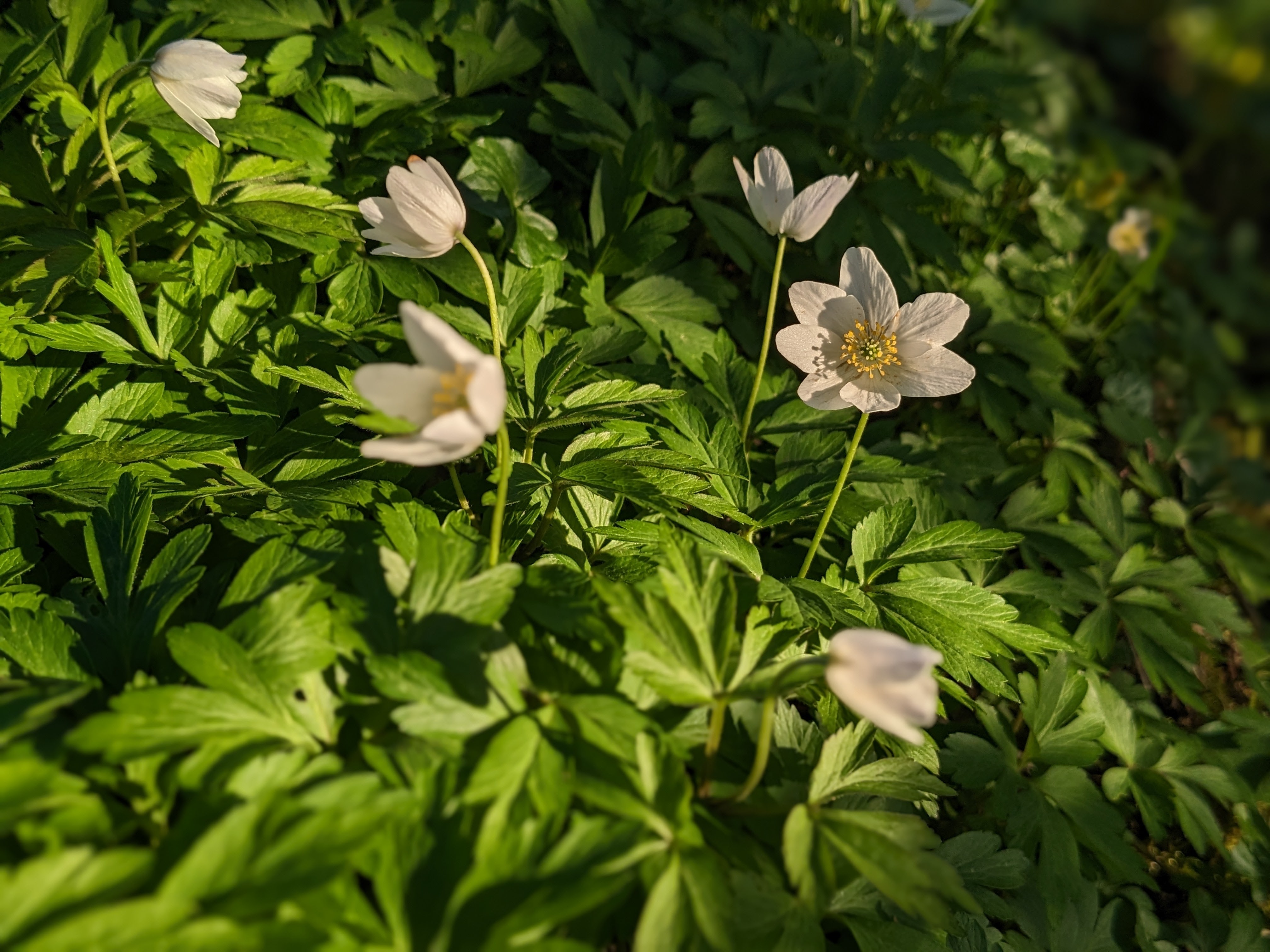
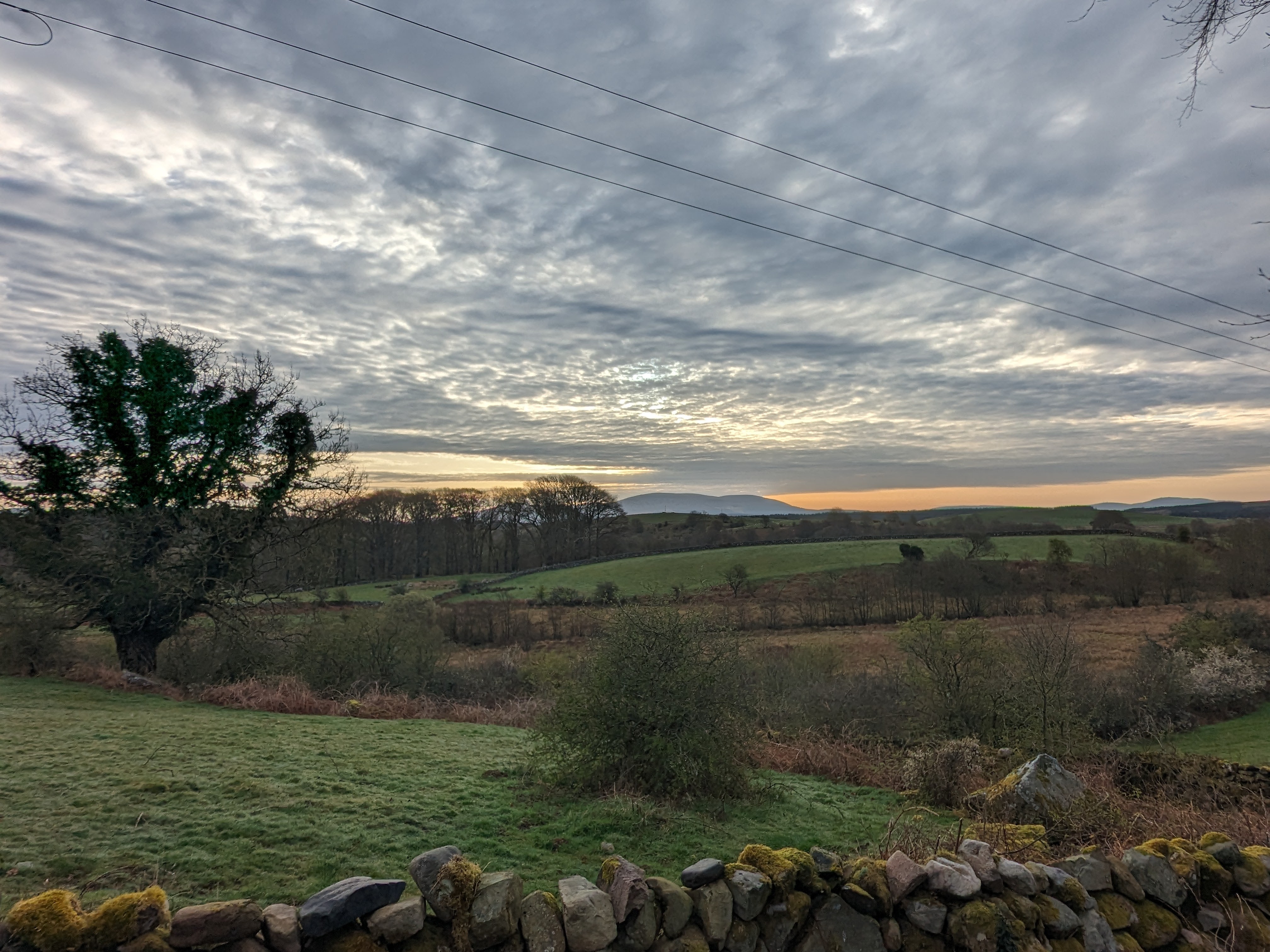
In amongst the practical house and foraging projects, we have still been getting outside and enjoying the outdoors and starting off our kitchen garden. As ever, a few random photos from April in SW Scotland:

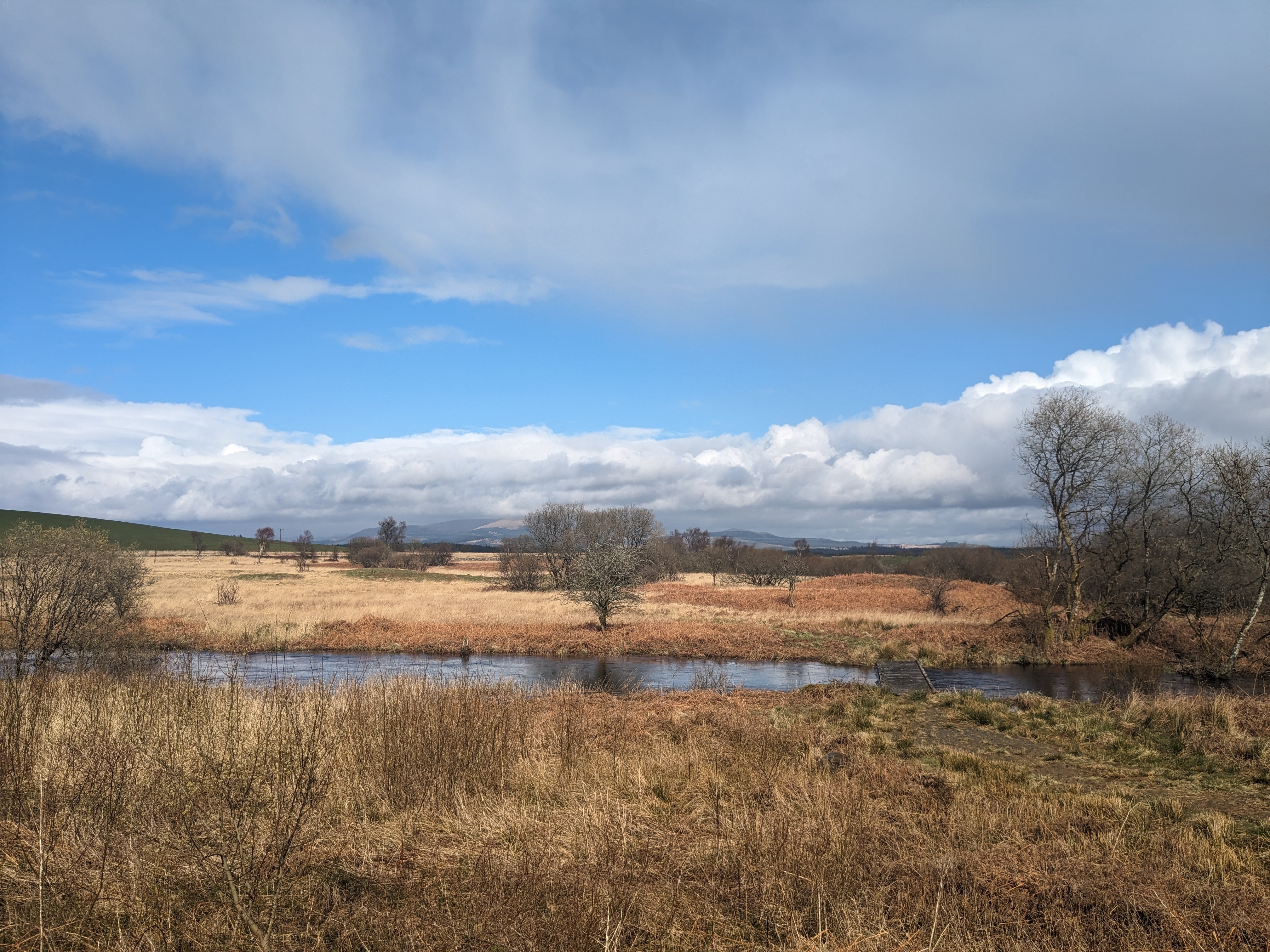
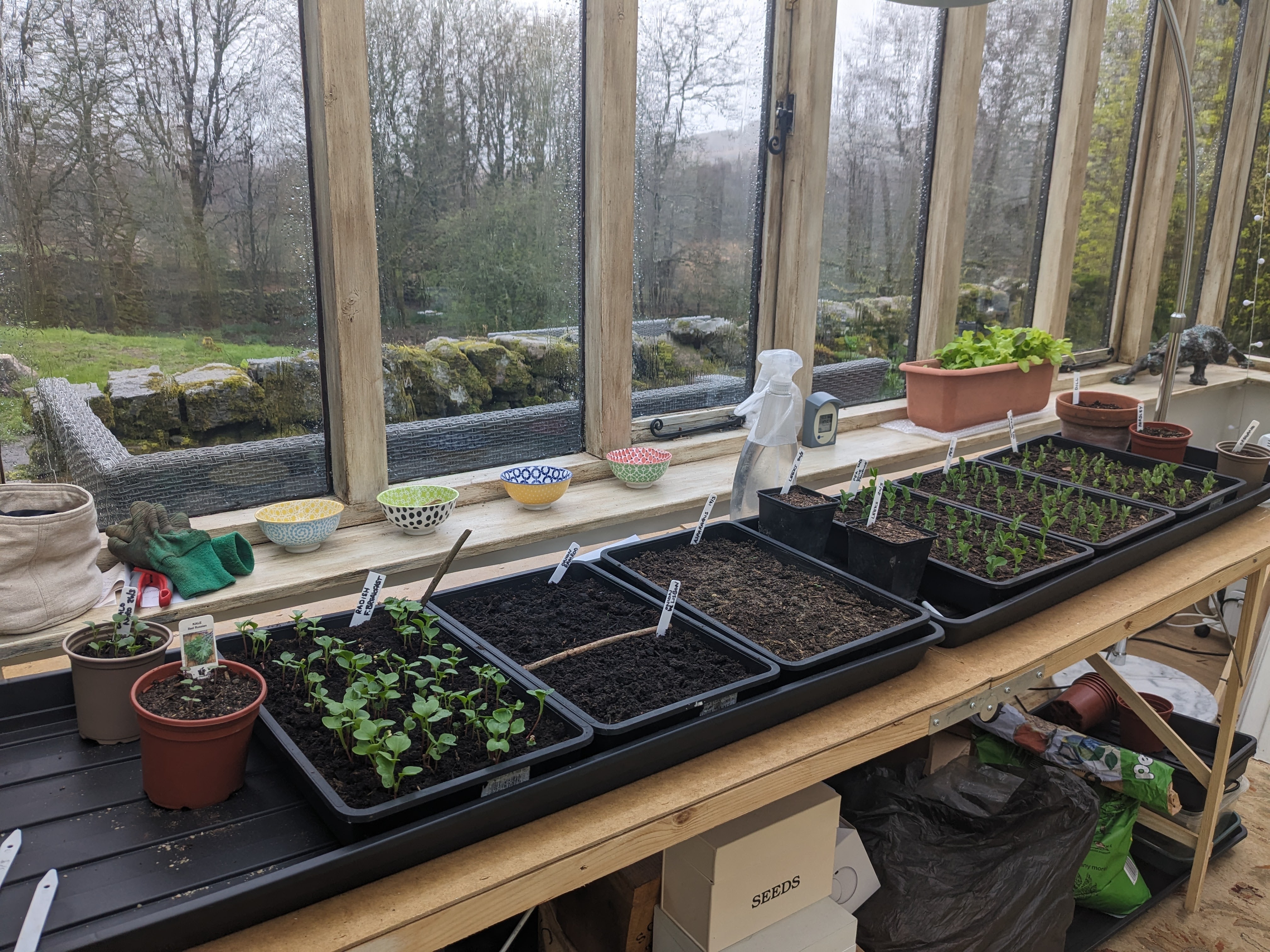
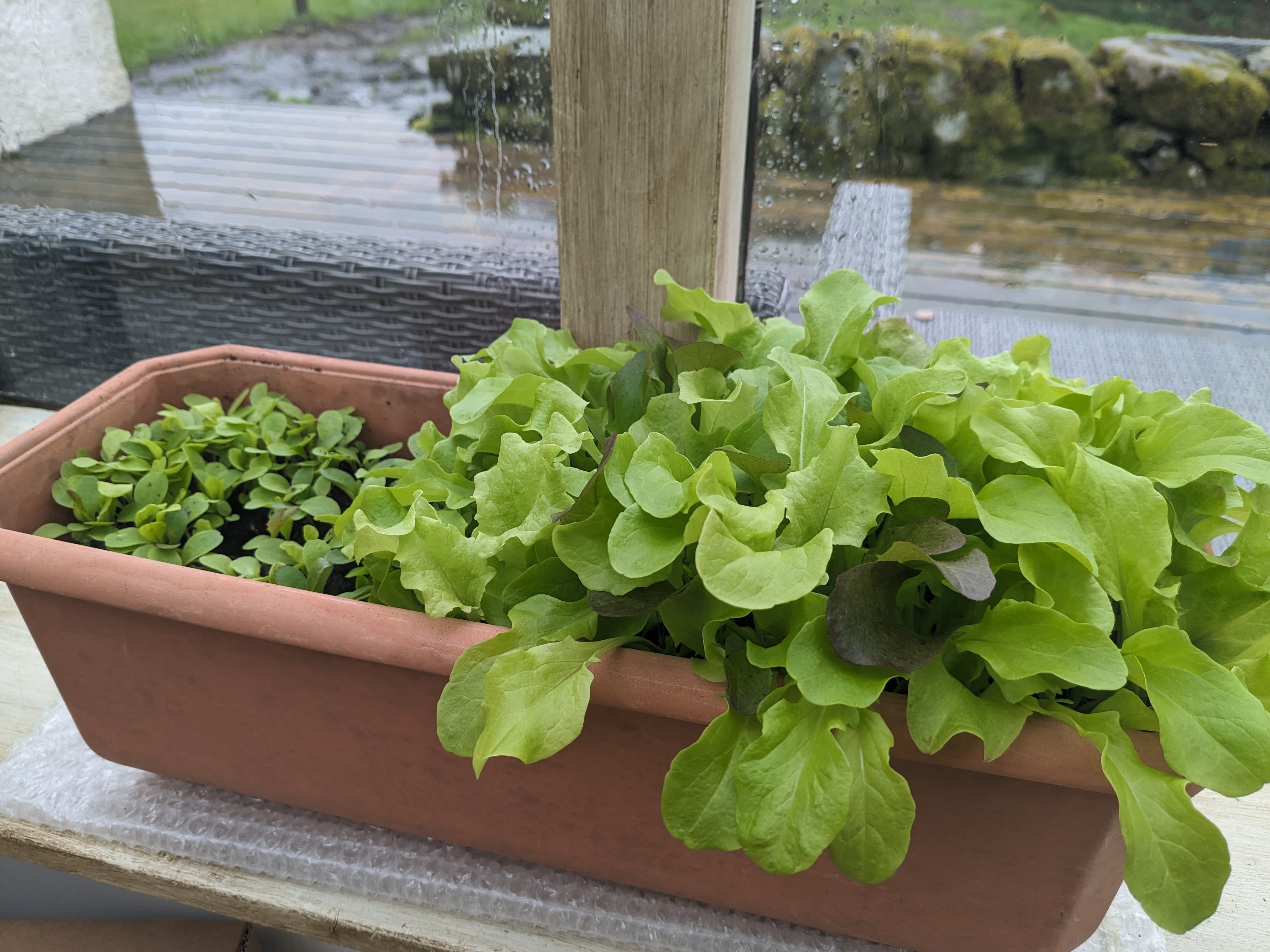
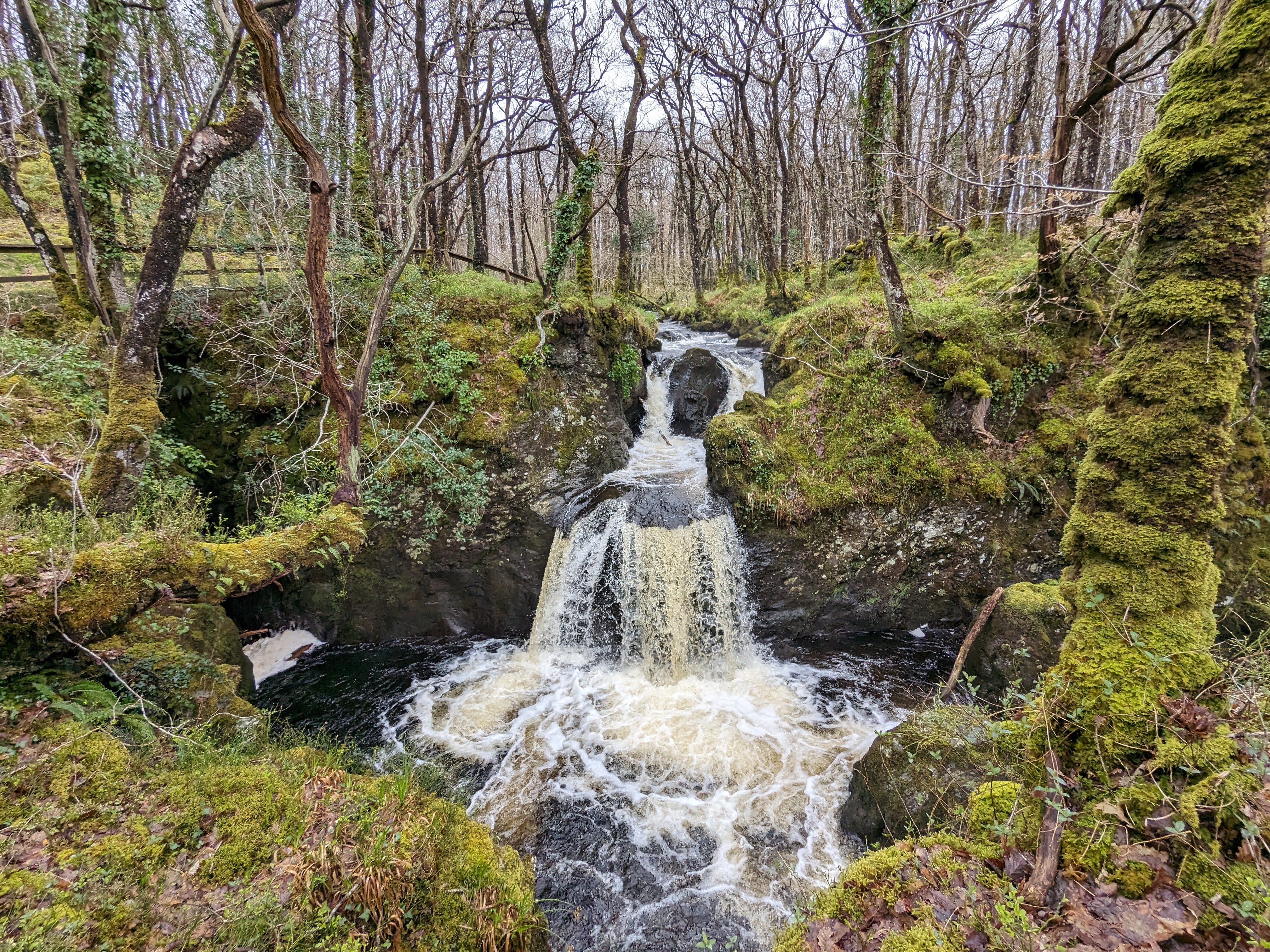
I already know what the highlight of May is almost certainly going to be, but I won’t ruin the surprise. You’ll have to tune in next month for some rather special photos.
 Finding Enough
I always love reading your updates and about your adventures. Although we’re about the same age I am some way behind thanks to the costs of kids! One day I hope to follow down the FIRE route. Thank you for sharing.
LikeLike
Thank you for commenting 🙂
It is always nice to hear from someone who enjoys reading my ramblings. Taking the time to reflect each month helps me see what we have achieved, rather than just getting lost in the day to day.
LikeLike
Sounds like you have been busy, busy, busy!
Nice photos.
Hope your paste table is robust enough to take the weight of all the plants/seedlings/water, etc?
LikeLike
wow!! 91A grand tour of England and an agricultural show, August update
LikeLike